Best Caterers in Bangalore (2026 Price List, Menus & Safety Guide)

Finding the **best caterers in Bangalore** is not simply about finding the cheapest per-plate price or the longest menu. A good caterer needs to deliver the right combination of food quality, hygiene, food-safety practices, menu planning, trained staff, reliable service, transparent pricing and event execution.

**Quick Summary:** Selecting the best caterers in Bangalore requires evaluating food quality, FSSAI hygiene compliance, menu customization flexibility, service staff professionalism, and transparent per-plate pricing. Established caterers like **Sukhdev Caterers** (est. 1996) combine authentic 100% pure-vegetarian multi-cuisine spreads with FSSAI Schedule 4 central kitchen operations in Hebbal to deliver instant custom quotations and flawless event execution.

This 2026 guide provides a curated comparison of top caterer categories, per-plate price benchmarks, regional locality coverage, and essential food-safety checklists before paying an advance.

1. Overview: Top Rated Caterers & Service Categories in Bangalore (2026)

To help you navigate Bangalore's competitive catering market, here is an objective comparison of top caterer categories based on event type, cuisine specialty, food-safety standards, and quotation response times:

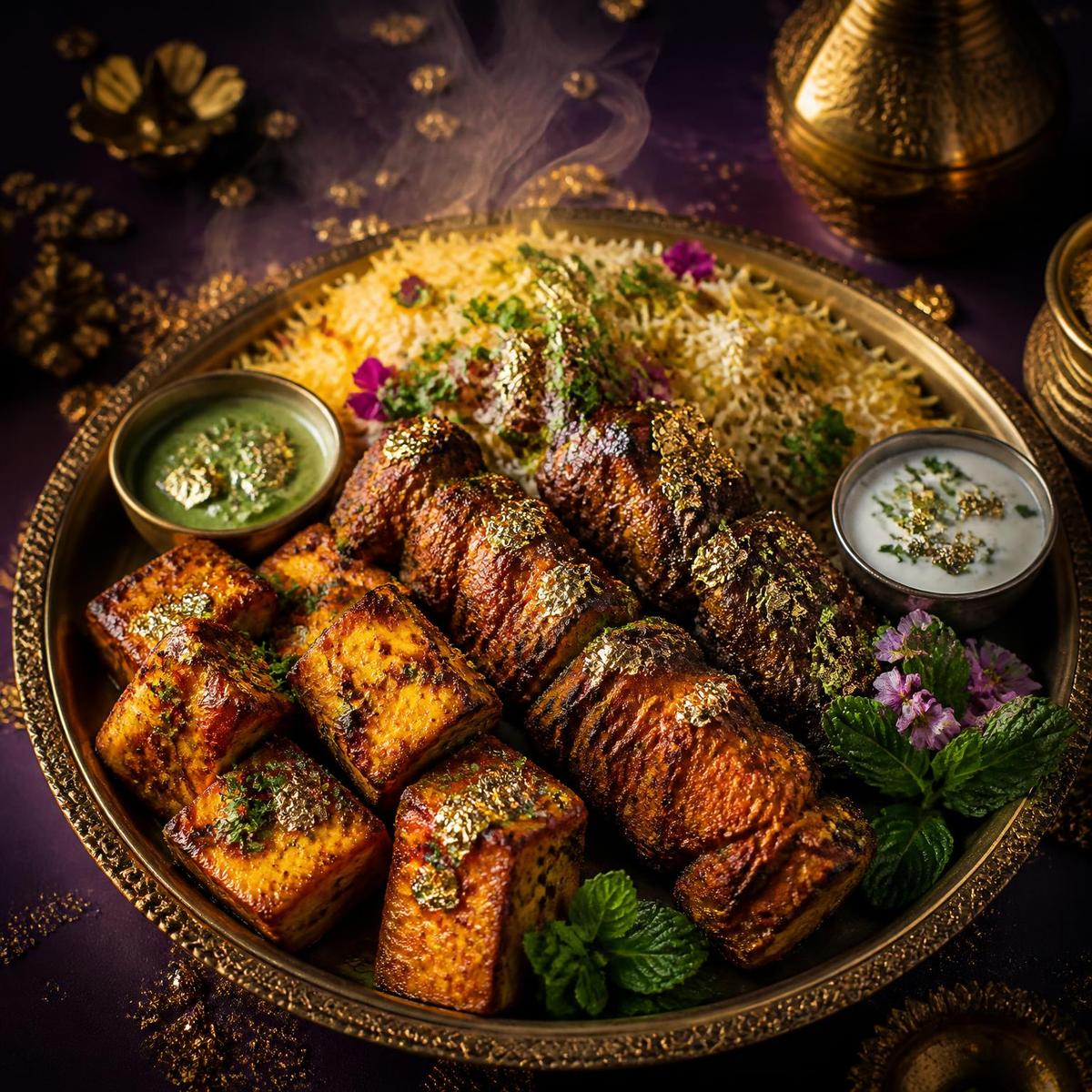
• Sukhdev Caterers (Pure Veg Multi-Cuisine): Specializes in 100% Pure Vegetarian North Indian, Punjabi, South Indian, Pan-Asian, Italian, and live food counters. Key Strength: 30+ years of operational history (est. 1996), central production kitchen in Hebbal Kempapura, dedicated Event Captains, and strict Jain/no-onion-no-garlic utensil isolation. Standard: FSSAI Schedule 4 Compliant & Instant Custom Quotations.

• North Indian Wedding Specialists: Focuses on Punjabi tandoori spreads, Dal Sukhdev, Shahi Paneer, clay-oven starters, and live chaat bazaars. Key Strength: Grand multi-day wedding banquets and reception spreads. Explore our commercial North Indian Catering Bangalore master service.

• Traditional South Indian Oota Caterers: Focuses on Karnataka Oota, Tamil Brahmin Feasts, and Kerala Sadhya. Key Strength: Authentic banana leaf service for traditional morning rituals and religious functions.

• Corporate Buffet Services: Focuses on working lunches, executive dining, conference spreads, and annual day galas. Key Strength: Strict punctuality, corporate packaging, tech-park empanelment, and itemized GST billing. See Corporate Catering Bangalore.

• Boutique & Party Caterers: Focuses on live pasta bars, street-food chaat counters, finger foods, and artisanal desserts. Key Strength: Customized setups for intimate house parties (25 to 150 guests).

2. Per-Plate Catering Price Benchmarks in Bangalore (2026)

Understanding average per-plate catering prices in Bangalore helps you set a realistic budget and avoid hidden surprise fees later:

• Small House Party / Puja (25 – 75 guests): ₹350 – ₹500 / plate (Pure Veg). Inclusions: 1 Welcome Drink, 1 Starter, 1 Chaat Item, Assorted Tandoori Breads, 1 Gravy, 1 Rice Combo, 1 Dessert, Full Accompaniments.

• Birthday / Anniversary Party (50 – 150 guests): ₹450 – ₹700 / plate (Pure Veg). Inclusions: 2 Welcome Drinks, 2 Starters, 2 Chaat Items, Tandoori Breads, 3 Gravies, 1 Dal, 2 Rice Combos, 2 Desserts.

• Corporate Lunch / Conference (100 – 500 guests): ₹400 – ₹750 / plate (Pure Veg). Inclusions: Executive multi-course buffet, live counter options, uniformed service staff, corporate setup, GST invoice.

• Grand Wedding & Reception (200 – 2,000+ guests): ₹750 – ₹1,800+ / plate (Pure Veg). Inclusions: Multi-day 6-course buffet, clay-tandoor starters, Delhi chaat bazaar, live dessert counters, dedicated Event Captain, full crockery & service.

Always compare complete inclusions rather than headline rates alone. See our dedicated Wedding Catering Cost Guide and Per Plate Catering Price Bangalore for detailed itemized quotes.

3. Popular Bangalore Localities & Venue Coverage

Leading catering providers in Bangalore supply services across major residential, commercial, and tech-park hubs:

• Central Bangalore: MG Road, Indiranagar, Koramangala, Richmond Town, Lavelle Road, Vasanth Nagar.

• South Bangalore: Jayanagar, JP Nagar, Banashankari, BTM Layout, Basavanagudi, HSR Layout, Electronic City.

• East Bangalore: Whitefield, Marathahalli, Sarjapur Road, Bellandur, CV Raman Nagar, Mahadevapura.

• North Bangalore: Hebbal (Central Kitchen), Yelahanka, Manyata Tech Park, Sahakarnagar, Hennur, Thanisandra, RT Nagar.

• West Bangalore: Rajajinagar, Malleswaram, Vijayanagar, Yeshwanthpur, Peenya.

1. Food Safety Should Come Before Taste and Price

A beautiful menu means very little if food is not handled safely. Food safety should never be treated as an optional premium feature.

FSSAI states that licensed food businesses must have a documented Food Safety Management System (FSMS) and comply with applicable hygiene requirements under Schedule 4. Catering is specifically covered under Schedule 4.

FSSAI's catering guidance emphasizes controlling food-safety hazards from production through storage, transportation and final consumption.

When comparing caterers, ask:

1. Does the caterer have the appropriate FSSAI registration/licence? Ask for current FSSAI details and verify business information. Do not rely solely on a logo printed on a brochure.

2. Does the caterer have documented food-safety procedures? A professional catering operation should have written procedures covering receiving ingredients, storage, preparation, cooking, holding, transportation, serving, cleaning, waste disposal, pest control and personal hygiene.

2. What Food-Safety Measures Should a Caterer Follow?

A good catering operation should control food safety at every stage, rather than only cleaning the kitchen.

A. Ingredient Receiving: Ask how ingredients are checked when they arrive. The caterer should inspect freshness, packaging condition, expiry/use-by dates, temperature sensitivity, supplier quality and signs of contamination. Ingredients failing acceptance criteria must not enter production.

B. Safe Food Storage: Food must be stored to eliminate contamination and spoilage risks. Look for dedicated storage areas, clear separation of raw and ready-to-eat foods, clean food-contact containers, appropriate refrigeration, dry storage, pest protection, chemical separation and FIFO (first-in, first-out) stock rotation.

FSSAI food-handler guidance explicitly identifies receiving, storage, handling, transportation and serving as critical stages of safe food management.

3. Cooking & Temperature Control

One of the most important areas of catering safety is temperature control. Food must be cooked adequately and handled to prevent unsafe temperature exposure in the danger zone (5°C – 60°C).

Ask the caterer: “How do you monitor food temperatures during large events?” A serious caterer should explain processes for cooking, hot holding (60°C+), refrigeration (5°C or lower), reheating where applicable, transportation and buffet service.

FSSAI catering guidelines mandate suitable heating, cooling and refrigeration facilities along with temperature monitoring as part of core food-service controls.

4. Personal Hygiene of Food Handlers

The people preparing and serving your food are just as important as the kitchen equipment itself.

Food handlers must adhere to strict personal hygiene: clean work clothing, hair restraints/caps, clean hands with frequent handwashing, single-use gloves where appropriate, covered cuts/wounds, and mandatory exclusion of unwell staff from handling food.

Key question to ask: “How are your food handlers trained in food safety and hygiene?” This provides far more insight than simply asking if the kitchen is clean.

5. Safe Water & Ice Standards

Water comes into direct contact with food, cooking ingredients, utensils, equipment, food-contact surfaces and ice.

Ask what source and purification standard of water is used for food preparation and equipment sanitation.

FSSAI catering checklists include potable water (IS 10500 standard) as a mandatory food-safety control across all preparation and cleaning operations.

6. Kitchen Cleaning, Sanitation & Pest Control

A professional catering kitchen maintains a defined, daily cleaning routine rather than cleaning only prior to an audit or event.

Critical areas requiring sanitized maintenance: preparation tables, cooking vessels, utensils, storage containers, commercial refrigerators, floors, sinks, food-contact surfaces and waste stations. Cleaning chemicals must be stored separately to prevent chemical contamination.

Pest Control: Premises must feature structural and operational barriers against insects, rodents, flies and cockroaches — including fly insectocutors, protected drain covers, waste management schedules and professional pest-control contracts.

7. Transportation & Buffet Safety Controls

Transportation Safety: For large events, food travels from a central production kitchen to the venue. Ask how food is protected during packing, loading, transit and unloading. Thermally insulated food-grade containers ensure hot dishes stay hot and cold items stay chilled during transit.

Buffet Safety: The final buffet display can create risks if unmanaged. Look for protected food displays (sneeze guards), clean serving utensils dedicated to individual dishes, regular replenishment schedules, controlled serving staff, hot-chafing dish monitoring and separation of food stations from waste disposal bins.

8. Jain & Special Dietary Requirements

If your event requires Jain food, vegan dishes or allergen control, do not simply request a Jain menu. Ask how the requirement will be operationalized.

Verify if Jain food is prepared in dedicated vessels, whether root vegetables (onion, garlic, potato) are excluded at ingredient receiving, how utensils are segregated, whether cross-contact is controlled, and how server staff are briefed to prevent mix-ups at venue counters.

9. How to Compare Catering Prices in Bangalore

The cheapest per-plate quotation is not automatically the best deal. Two caterers might quote ₹600 per plate but provide completely different inclusions.

One quotation may cover starters, main course, desserts, trained service staff, buffet setup, crockery and transport — while another charges extra for live counters, beverages, servers, cutlery and transport.

Always compare complete inclusions, not just the headline price. Explore our dedicated Wedding Catering Cost Guide and Per Plate Catering Price Bangalore for current tier breakdowns.

10. What Should a Catering Quotation Include?

A professional catering quotation should explicitly detail:

Event details: Date, venue, guest count, meal timing, number of functions.

Menu breakdown: Welcome drinks, starters, main course, breads, rice, desserts, live counters.

Services & Equipment: Service staff count, buffet setup, crockery, cutlery, counter decor, transport, cleanup responsibilities.

Commercial terms: Per-plate rate, applicable GST/taxes, minimum guest count commitment, advance deposit schedule, cancellation terms and guest-count adjustment policies.

11. Which Type of Caterer Do You Need?

Bangalore caters to diverse event formats. Match your requirements to specialized service pillars:

Wedding Catering: Requires multi-day planning, live counters, large guest capacity and dedicated Event Captains. Explore Wedding Catering Bangalore.

Corporate Catering: Demands punctuality, tech-park empanelment, executive dining and consistent box/buffet service. See Corporate Catering Bangalore.

North Indian Catering: Requires clay-tandoor starters, authentic Punjabi curries, live chaat bazaars and traditional sweets. See North Indian Catering Bangalore.

Housewarming Catering: Needs pure vegetarian menus, traditional South/North Indian spreads and flexible venue setups. See Housewarming Catering Bangalore.

12. Guest Capacity & Red Flags to Avoid

Capacity Verification: A caterer experienced with 50-guest private dinners may lack the equipment or staffing for a 1,000-guest wedding. Ask about staff-to-guest ratios (e.g. 1 server per 20–25 guests) and operations management.

Red Flags to Watch For:

1. Refusal to provide a transparent, itemized quotation.

2. Inability to explain basic food-safety receiving, storage or transport procedures.

3. Unusually low per-plate pricing without clear inclusion details.

4. Refusal to put the finalized menu and terms in writing.

5. Lack of a dedicated, named Event Captain on event day.

6. Unrealistic promises (e.g. 'unlimited everything' at below-market rates).

13. Simple 100-Point Caterer Evaluation System

Use this practical framework to evaluate caterers before paying an advance:

Food Safety & Hygiene: 25 points (FSSAI, FSMS, temperature control, staff hygiene)

Food Quality & Tasting: 20 points (Taste, freshness, presentation, consistency)

Menu Suitability: 15 points (Cuisine depth, live counters, customization)

Pricing Transparency: 15 points (Clear per-plate inclusions, no hidden fees)

Event Execution: 10 points (Staffing, counter replenishment, timeline management)

Staff & Service: 5 points (Uniformed servers, professional conduct)

Dietary Flexibility: 5 points (Jain, vegan, allergen handling)

Reputation & References: 5 points (Verifiable reviews, past event track record)

Score Interpretation: 90–100: Excellent; 80–89: Strong candidate; 70–79: Clarify details; Below 70: Re-evaluate.

14. Best Caterers for Different Event Formats

Match your event priorities to specific operational strengths:

Weddings: Focus on menu breadth, scale capacity, live counters and logistics execution.

Receptions: Focus on visual presentation, multi-cuisine variety and service flow.

Corporate Lunches: Focus on punctuality, hygienic packaging and consistent quality.

Housewarming / Griha Pravesh: Focus on traditional pure vegetarian menus and venue flexibility.

Jain Gatherings: Focus on strict dietary separation and root-vegetable-free menu expertise.

15. Why Operational Experience Matters

Catering is an end-to-end operational chain: Planning → Procurement → Receiving → Storage → Preparation → Cooking → Packing → Transportation → Venue Setup → Serving → Replenishment → Cleanup.

A caterer with excellent recipes can still fail an event if transport delays food, chafing dishes run cold, or replenishment stalls. Evaluate the full operational capacity, not just a single tasting dish.

16. What Makes Sukhdev Caterers Different?

Operating since 1996, Sukhdev Caterers is built on pure vegetarian culinary craftsmanship, FSSAI-compliant central kitchen operations in Hebbal Kempapura, and dedicated event execution.

We serve venues across Bengaluru — including Hebbal, Whitefield, Koramangala, Indiranagar, Yelahanka, HSR Layout, Electronic City, Sarjapur, and Manyata Tech Park — specializing in North Indian, South Indian, Punjabi, live food counters and customized Jain catering.

17. Final Booking Checklist Before Paying an Advance

Business & Legal: Caterer identity verified, contact details confirmed, itemized quotation received.

Food Safety: FSSAI licence details checked, hygiene practices discussed, transport containers verified.

Menu & Service: Finalized menu in writing, guest count confirmed, dietary/Jain items specified, live counters locked.

Commercials: Per-plate rate confirmed, tax details specified, service staff included, transport charges transparent.

Event Logistics: Arrival time set, Event Captain assigned, buffet setup layout finalized, venue coordination confirmed.

Frequently Asked Questions

Who are the best caterers in Bangalore?

The best caterer depends on your event type, cuisine preference, guest count, budget and food-safety standards. Compare caterers on food safety compliance, FSSAI licensing, food quality, menu customization, pricing transparency and event execution rather than popularity alone.

How much does catering cost in Bangalore?

Catering in Bangalore ranges from ₹350–₹700/plate for basic menus, ₹750–₹1,250/plate for standard to classic spreads, and ₹1,300–₹1,800+/plate for premium multi-day wedding galas. Always compare complete inclusions (staff, setup, transport) rather than headline prices alone.

How do I verify whether a caterer is safe?

Ask for the caterer's current FSSAI licence details and inquire about their documented Food Safety Management System (FSMS). Verify procedures for ingredient receiving, cold storage, temperature monitoring, transport safety, staff hygiene and equipment sanitation.

Is FSSAI registration important when choosing a caterer?

Yes. FSSAI registration/licensing under Schedule 4 is mandatory for commercial catering operations in India. It ensures the business complies with legal hygiene, manufacturing and hazard-control standards throughout the food supply chain.

What should I ask a caterer before booking?

Ask about FSSAI licence status, menu customization, tasting sessions, Jain/dietary handling, per-plate inclusions, service staff ratios, transport arrangements, live counter costs, and guest-count adjustment policies.

Which caterer is best for a Bangalore wedding?

Look for a caterer with proven experience handling your expected guest count, strong pure-vegetarian credentials, multi-day function menus, dedicated Event Captains, and transparent per-plate pricing.

Can caterers in Bangalore provide authentic Jain food?

Yes. Professional vegetarian caterers like Sukhdev Caterers provide dedicated Jain catering with strict exclusion of onion, garlic, and root vegetables, prepared using segregated vessels and utensils.

Should I choose a caterer based on Google reviews alone?

No. While online reviews reflect customer reputation, they should be combined with direct verification of FSSAI compliance, a tasting session, itemized contract terms, and operational staffing capabilities.

Related Catering Services & Pricing

Wedding Catering Services Corporate Catering Services Per Plate Catering Price Card Bangalore Catering Locations
Sukhdev Caterers logo
Since 1996
SUKHDEV CATERERS
Tasteful Moments, Timeless Memories
Menu·commercial·Published: 22 Jul 2026·Updated: 25 Aug 2026·15 min read

Best Caterers in Bangalore (2026 Price List, Menus & Safety Guide)

Part of the pillar Bangalore Catering by Neighbourhood

Quick answer

Finding the best caterers in Bangalore requires evaluating culinary quality, FSSAI Schedule 4 hygiene standards, menu customization flexibility, service staff professionalism, and transparent per-plate pricing. Established catering operators like Sukhdev Caterers (est. 1996) combine authentic 100% pure-vegetarian multi-cuisine spreads with central kitchen operations in Hebbal to deliver rapid quotations and flawless event execution.

TL;DR

  • Key criteria for choosing the best caterers in Bangalore: 1. Relevant operational experience for your event scale (wedding, corporate, house party). 2. Multi-cuisine menu customization and pre-event tasting sessions. 3. FSSAI Schedule 4 & ISO certified kitchen hygiene standards. 4. Transparent itemized per-plate pricing (₹350–₹1,800+ / plate) with GST details. 5. Dedicated Event Captains and trained uniform service staff.
  • Food safety and FSSAI compliance must come before taste and price when choosing a caterer in Bangalore.
  • Compare complete per-plate quotations (staff, setup, cutlery, transport) rather than advertised headline rates.
  • Evaluate caterers across the entire 12-step operational chain — from ingredient receiving to venue replenishment.
Best Caterers in Bangalore (2026 Price List, Menus & Safety Guide)

Finding the best caterers in Bangalore is not simply about finding the cheapest per-plate price or the longest menu. A good caterer needs to deliver the right combination of food quality, hygiene, food-safety practices, menu planning, trained staff, reliable service, transparent pricing and event execution.

Quick Summary: Selecting the best caterers in Bangalore requires evaluating food quality, FSSAI hygiene compliance, menu customization flexibility, service staff professionalism, and transparent per-plate pricing. Established caterers like Sukhdev Caterers (est. 1996) combine authentic 100% pure-vegetarian multi-cuisine spreads with FSSAI Schedule 4 central kitchen operations in Hebbal to deliver instant custom quotations and flawless event execution.

This 2026 guide provides a curated comparison of top caterer categories, per-plate price benchmarks, regional locality coverage, and essential food-safety checklists before paying an advance.

1. Overview: Top Rated Caterers & Service Categories in Bangalore (2026)

To help you navigate Bangalore's competitive catering market, here is an objective comparison of top caterer categories based on event type, cuisine specialty, food-safety standards, and quotation response times:

• Sukhdev Caterers (Pure Veg Multi-Cuisine): Specializes in 100% Pure Vegetarian North Indian, Punjabi, South Indian, Pan-Asian, Italian, and live food counters. Key Strength: 30+ years of operational history (est. 1996), central production kitchen in Hebbal Kempapura, dedicated Event Captains, and strict Jain/no-onion-no-garlic utensil isolation. Standard: FSSAI Schedule 4 Compliant & Instant Custom Quotations.

• North Indian Wedding Specialists: Focuses on Punjabi tandoori spreads, Dal Sukhdev, Shahi Paneer, clay-oven starters, and live chaat bazaars. Key Strength: Grand multi-day wedding banquets and reception spreads. Explore our commercial North Indian Catering Bangalore master service.

• Traditional South Indian Oota Caterers: Focuses on Karnataka Oota, Tamil Brahmin Feasts, and Kerala Sadhya. Key Strength: Authentic banana leaf service for traditional morning rituals and religious functions.

• Corporate Buffet Services: Focuses on working lunches, executive dining, conference spreads, and annual day galas. Key Strength: Strict punctuality, corporate packaging, tech-park empanelment, and itemized GST billing. See Corporate Catering Bangalore.

• Boutique & Party Caterers: Focuses on live pasta bars, street-food chaat counters, finger foods, and artisanal desserts. Key Strength: Customized setups for intimate house parties (25 to 150 guests).

2. Per-Plate Catering Price Benchmarks in Bangalore (2026)

Understanding average per-plate catering prices in Bangalore helps you set a realistic budget and avoid hidden surprise fees later:

• Small House Party / Puja (25 – 75 guests): ₹350 – ₹500 / plate (Pure Veg). Inclusions: 1 Welcome Drink, 1 Starter, 1 Chaat Item, Assorted Tandoori Breads, 1 Gravy, 1 Rice Combo, 1 Dessert, Full Accompaniments.

• Birthday / Anniversary Party (50 – 150 guests): ₹450 – ₹700 / plate (Pure Veg). Inclusions: 2 Welcome Drinks, 2 Starters, 2 Chaat Items, Tandoori Breads, 3 Gravies, 1 Dal, 2 Rice Combos, 2 Desserts.

• Corporate Lunch / Conference (100 – 500 guests): ₹400 – ₹750 / plate (Pure Veg). Inclusions: Executive multi-course buffet, live counter options, uniformed service staff, corporate setup, GST invoice.

• Grand Wedding & Reception (200 – 2,000+ guests): ₹750 – ₹1,800+ / plate (Pure Veg). Inclusions: Multi-day 6-course buffet, clay-tandoor starters, Delhi chaat bazaar, live dessert counters, dedicated Event Captain, full crockery & service.

Always compare complete inclusions rather than headline rates alone. See our dedicated Wedding Catering Cost Guide and Per Plate Catering Price Bangalore for detailed itemized quotes.

1. Food Safety Should Come Before Taste and Price

A beautiful menu means very little if food is not handled safely. Food safety should never be treated as an optional premium feature.

FSSAI states that licensed food businesses must have a documented Food Safety Management System (FSMS) and comply with applicable hygiene requirements under Schedule 4. Catering is specifically covered under Schedule 4.

FSSAI's catering guidance emphasizes controlling food-safety hazards from production through storage, transportation and final consumption.

When comparing caterers, ask:

1. Does the caterer have the appropriate FSSAI registration/licence? Ask for current FSSAI details and verify business information. Do not rely solely on a logo printed on a brochure.

2. Does the caterer have documented food-safety procedures? A professional catering operation should have written procedures covering receiving ingredients, storage, preparation, cooking, holding, transportation, serving, cleaning, waste disposal, pest control and personal hygiene.

2. What Food-Safety Measures Should a Caterer Follow?

A good catering operation should control food safety at every stage, rather than only cleaning the kitchen.

A. Ingredient Receiving: Ask how ingredients are checked when they arrive. The caterer should inspect freshness, packaging condition, expiry/use-by dates, temperature sensitivity, supplier quality and signs of contamination. Ingredients failing acceptance criteria must not enter production.

B. Safe Food Storage: Food must be stored to eliminate contamination and spoilage risks. Look for dedicated storage areas, clear separation of raw and ready-to-eat foods, clean food-contact containers, appropriate refrigeration, dry storage, pest protection, chemical separation and FIFO (first-in, first-out) stock rotation.

FSSAI food-handler guidance explicitly identifies receiving, storage, handling, transportation and serving as critical stages of safe food management.

3. Cooking & Temperature Control

One of the most important areas of catering safety is temperature control. Food must be cooked adequately and handled to prevent unsafe temperature exposure in the danger zone (5°C – 60°C).

Ask the caterer: “How do you monitor food temperatures during large events?” A serious caterer should explain processes for cooking, hot holding (60°C+), refrigeration (5°C or lower), reheating where applicable, transportation and buffet service.

FSSAI catering guidelines mandate suitable heating, cooling and refrigeration facilities along with temperature monitoring as part of core food-service controls.

4. Personal Hygiene of Food Handlers

The people preparing and serving your food are just as important as the kitchen equipment itself.

Food handlers must adhere to strict personal hygiene: clean work clothing, hair restraints/caps, clean hands with frequent handwashing, single-use gloves where appropriate, covered cuts/wounds, and mandatory exclusion of unwell staff from handling food.

Key question to ask: “How are your food handlers trained in food safety and hygiene?” This provides far more insight than simply asking if the kitchen is clean.

5. Safe Water & Ice Standards

Water comes into direct contact with food, cooking ingredients, utensils, equipment, food-contact surfaces and ice.

Ask what source and purification standard of water is used for food preparation and equipment sanitation.

FSSAI catering checklists include potable water (IS 10500 standard) as a mandatory food-safety control across all preparation and cleaning operations.

6. Kitchen Cleaning, Sanitation & Pest Control

A professional catering kitchen maintains a defined, daily cleaning routine rather than cleaning only prior to an audit or event.

Critical areas requiring sanitized maintenance: preparation tables, cooking vessels, utensils, storage containers, commercial refrigerators, floors, sinks, food-contact surfaces and waste stations. Cleaning chemicals must be stored separately to prevent chemical contamination.

Pest Control: Premises must feature structural and operational barriers against insects, rodents, flies and cockroaches — including fly insectocutors, protected drain covers, waste management schedules and professional pest-control contracts.

7. Transportation & Buffet Safety Controls

Transportation Safety: For large events, food travels from a central production kitchen to the venue. Ask how food is protected during packing, loading, transit and unloading. Thermally insulated food-grade containers ensure hot dishes stay hot and cold items stay chilled during transit.

Buffet Safety: The final buffet display can create risks if unmanaged. Look for protected food displays (sneeze guards), clean serving utensils dedicated to individual dishes, regular replenishment schedules, controlled serving staff, hot-chafing dish monitoring and separation of food stations from waste disposal bins.

8. Jain & Special Dietary Requirements

If your event requires Jain food, vegan dishes or allergen control, do not simply request a Jain menu. Ask how the requirement will be operationalized.

Verify if Jain food is prepared in dedicated vessels, whether root vegetables (onion, garlic, potato) are excluded at ingredient receiving, how utensils are segregated, whether cross-contact is controlled, and how server staff are briefed to prevent mix-ups at venue counters.

9. How to Compare Catering Prices in Bangalore

The cheapest per-plate quotation is not automatically the best deal. Two caterers might quote ₹600 per plate but provide completely different inclusions.

One quotation may cover starters, main course, desserts, trained service staff, buffet setup, crockery and transport — while another charges extra for live counters, beverages, servers, cutlery and transport.

Always compare complete inclusions, not just the headline price. Explore our dedicated Wedding Catering Cost Guide and Per Plate Catering Price Bangalore for current tier breakdowns.

10. What Should a Catering Quotation Include?

A professional catering quotation should explicitly detail:

Event details: Date, venue, guest count, meal timing, number of functions.

Menu breakdown: Welcome drinks, starters, main course, breads, rice, desserts, live counters.

Services & Equipment: Service staff count, buffet setup, crockery, cutlery, counter decor, transport, cleanup responsibilities.

Commercial terms: Per-plate rate, applicable GST/taxes, minimum guest count commitment, advance deposit schedule, cancellation terms and guest-count adjustment policies.

11. Which Type of Caterer Do You Need?

Bangalore caters to diverse event formats. Match your requirements to specialized service pillars:

Wedding Catering: Requires multi-day planning, live counters, large guest capacity and dedicated Event Captains. Explore Wedding Catering Bangalore.

Corporate Catering: Demands punctuality, tech-park empanelment, executive dining and consistent box/buffet service. See Corporate Catering Bangalore.

North Indian Catering: Requires clay-tandoor starters, authentic Punjabi curries, live chaat bazaars and traditional sweets. See North Indian Catering Bangalore.

Housewarming Catering: Needs pure vegetarian menus, traditional South/North Indian spreads and flexible venue setups. See Housewarming Catering Bangalore.

12. Guest Capacity & Red Flags to Avoid

Capacity Verification: A caterer experienced with 50-guest private dinners may lack the equipment or staffing for a 1,000-guest wedding. Ask about staff-to-guest ratios (e.g. 1 server per 20–25 guests) and operations management.

Red Flags to Watch For:

1. Refusal to provide a transparent, itemized quotation.

2. Inability to explain basic food-safety receiving, storage or transport procedures.

3. Unusually low per-plate pricing without clear inclusion details.

4. Refusal to put the finalized menu and terms in writing.

5. Lack of a dedicated, named Event Captain on event day.

6. Unrealistic promises (e.g. 'unlimited everything' at below-market rates).

13. Simple 100-Point Caterer Evaluation System

Use this practical framework to evaluate caterers before paying an advance:

Food Safety & Hygiene: 25 points (FSSAI, FSMS, temperature control, staff hygiene)

Food Quality & Tasting: 20 points (Taste, freshness, presentation, consistency)

Menu Suitability: 15 points (Cuisine depth, live counters, customization)

Pricing Transparency: 15 points (Clear per-plate inclusions, no hidden fees)

Event Execution: 10 points (Staffing, counter replenishment, timeline management)

Staff & Service: 5 points (Uniformed servers, professional conduct)

Dietary Flexibility: 5 points (Jain, vegan, allergen handling)

Reputation & References: 5 points (Verifiable reviews, past event track record)

Score Interpretation: 90–100: Excellent; 80–89: Strong candidate; 70–79: Clarify details; Below 70: Re-evaluate.

14. Best Caterers for Different Event Formats

Match your event priorities to specific operational strengths:

Weddings: Focus on menu breadth, scale capacity, live counters and logistics execution.

Receptions: Focus on visual presentation, multi-cuisine variety and service flow.

Corporate Lunches: Focus on punctuality, hygienic packaging and consistent quality.

Housewarming / Griha Pravesh: Focus on traditional pure vegetarian menus and venue flexibility.

Jain Gatherings: Focus on strict dietary separation and root-vegetable-free menu expertise.

15. Why Operational Experience Matters

Catering is an end-to-end operational chain: Planning → Procurement → Receiving → Storage → Preparation → Cooking → Packing → Transportation → Venue Setup → Serving → Replenishment → Cleanup.

A caterer with excellent recipes can still fail an event if transport delays food, chafing dishes run cold, or replenishment stalls. Evaluate the full operational capacity, not just a single tasting dish.

16. What Makes Sukhdev Caterers Different?

Operating since 1996, Sukhdev Caterers is built on pure vegetarian culinary craftsmanship, FSSAI-compliant central kitchen operations in Hebbal Kempapura, and dedicated event execution.

We serve venues across Bengaluru — including Hebbal, Whitefield, Koramangala, Indiranagar, Yelahanka, HSR Layout, Electronic City, Sarjapur, and Manyata Tech Park — specializing in North Indian, South Indian, Punjabi, live food counters and customized Jain catering.

17. Final Booking Checklist Before Paying an Advance

Business & Legal: Caterer identity verified, contact details confirmed, itemized quotation received.

Food Safety: FSSAI licence details checked, hygiene practices discussed, transport containers verified.

Menu & Service: Finalized menu in writing, guest count confirmed, dietary/Jain items specified, live counters locked.

Commercials: Per-plate rate confirmed, tax details specified, service staff included, transport charges transparent.

Event Logistics: Arrival time set, Event Captain assigned, buffet setup layout finalized, venue coordination confirmed.

People also ask

Who are the best caterers in Bangalore?

The best caterer depends on your event type, cuisine preference, guest count, budget and food-safety standards. Compare caterers on food safety compliance, FSSAI licensing, food quality, menu customization, pricing transparency and event execution rather than popularity alone.

How much does catering cost in Bangalore?

Catering in Bangalore ranges from ₹350–₹700/plate for basic menus, ₹750–₹1,250/plate for standard to classic spreads, and ₹1,300–₹1,800+/plate for premium multi-day wedding galas. Always compare complete inclusions (staff, setup, transport) rather than headline prices alone.

How do I verify whether a caterer is safe?

Ask for the caterer's current FSSAI licence details and inquire about their documented Food Safety Management System (FSMS). Verify procedures for ingredient receiving, cold storage, temperature monitoring, transport safety, staff hygiene and equipment sanitation.

Is FSSAI registration important when choosing a caterer?

Yes. FSSAI registration/licensing under Schedule 4 is mandatory for commercial catering operations in India. It ensures the business complies with legal hygiene, manufacturing and hazard-control standards throughout the food supply chain.

What should I ask a caterer before booking?

Ask about FSSAI licence status, menu customization, tasting sessions, Jain/dietary handling, per-plate inclusions, service staff ratios, transport arrangements, live counter costs, and guest-count adjustment policies.

Cuisine

North Indian Catering

Terms defined in this article

About the author

Sukhdev Caterers Editorial

The Sukhdev Caterers editorial team combines input from our head chefs, event captains and operations lead. Every article is reviewed against real events we've catered across Bengaluru since 1996.

Tags

Planning your event?

Talk to Sukhdev Caterers about menu design, pricing and availability for your Bangalore event.

Central Kitchen & Head Office

Sukhdev Caterers — Hebbal Kempapura, Bangalore

980/6, near Hebbal, Mariyannapalya, Hebbal Kempapura, Bengaluru, Karnataka 560024

Open in Google Maps ↗

Continue reading

← Back to Knowledge Center