Live Counter Catering: The Complete Guide for Bangalore Events
A well-run live counter is what guests remember from a wedding — not the dal, not the naan. But live counters are also where events lose the most money and go the most wrong: overstaffed, understocked, or picked because they sound impressive rather than because they fit the event.
This is the full working guide to live counter catering — every format we run, and how to pick which ones you actually need.
Live counters we run at Sukhdev Caterers
Chaat counter — pani puri, dahi puri, sev puri, bhel, papdi chaat. Always a hit, works for any event size.
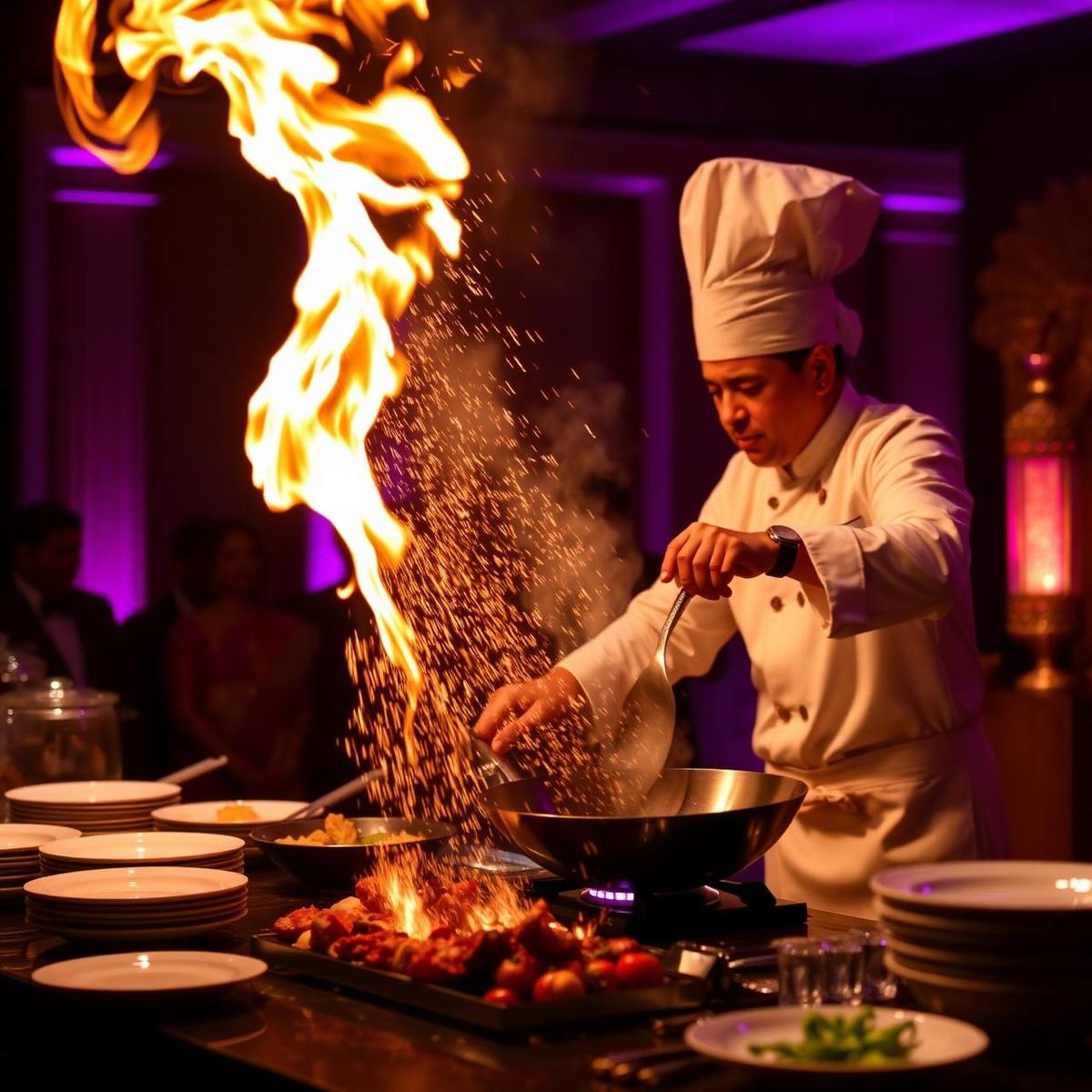
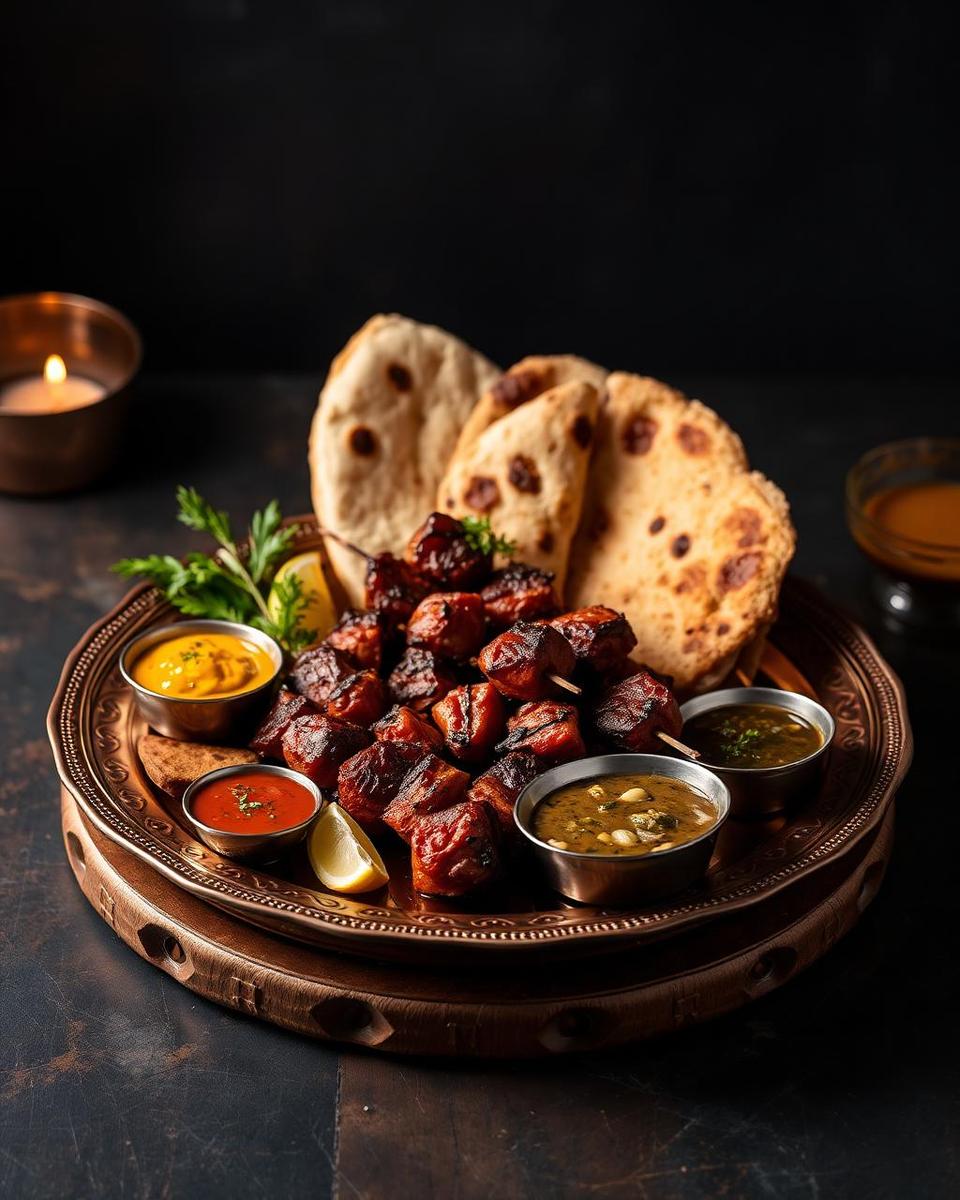
Live tandoor — hot tandoori starters plated straight from the tandoor. Best for evening receptions and cocktail parties.
Live pasta counter — sauces, penne/farfalle, choice of vegetables. Excellent for multi-cuisine weddings.
Wood-fired pizza — a real oven, real dough, custom toppings. Guest-favourite for younger crowds.
Live jalebi + rabdi — traditional wedding classic, high theatre.
Live gulab jamun — hot syrup pouring, guaranteed queue.
Paan counter — meetha paan, chocolate paan, gulkand — the signature closer.
Live dosa / uttapam — for South Indian weddings and morning muhurthams.
Live tawa sabji / gol gappa — for cocktail formats.
How many live counters do you actually need?
For a 200-guest event: 1 counter is enough (usually chaat).
For 200–500: 2–3 counters (chaat + tandoor + jalebi is a classic combo).
For 500–1,000: 4–5 counters, adding pasta or pizza and a paan closer.
For 1,000+: 5+ counters, run in parallel so no one queue gets overwhelmed.
Rule of thumb: one live counter per 80–100 guests. See our menu planning guide for how counters interact with the rest of the menu.
The mistakes we see
Too many counters, too few guests — pick 3 well-run counters over 6 sad ones.
Understaffed marquee counters — a live jalebi counter needs a dedicated chef, not a rotating one.
Placement traps — put counters where guest flow naturally moves, not where they block buffet lines.